
23 July 2026 | Blog
Airline disruption recovery: how better communication reduces operational costs
23 July 2026 | Blog
Airline disruption recovery: how better communication reduces operational costs
Airlines spend a great deal of time analysing the cost of disruption, but what about the cost of recovery? Gemma Maidlow, Head of Product Solutions at 15below, shares what she has been hearing from airlines and explores how better communication can help reduce the operational and commercial impact of disruption.

One of the conversations I’ve found myself having most often with airlines this year isn’t about disruption itself. It’s about the cost of recovery.
Airlines around the world have spent much of this year navigating rising fuel costs, airspace restrictions, geopolitical instability, and increasing operational complexity. These challenges have created significant pressure on operations, flight schedules, and Customer Care teams.
What I've noticed, however, is that while airlines spend a great deal of time analysing the cost of disruption itself, they spend far less time analysing the cost of recovery.
What really drives the cost of recovery
While airlines cannot control fuel prices, airspace closures, or geopolitical events, they can influence how effectively they recover when disruption occurs.
Every unnecessary call, avoidable complaint, manual process, delayed customer decision, or missed self-service opportunity adds cost to the recovery effort. Poor communication doesn't just create a poor customer experience; it increases contact volumes, adds pressure to Customer Care teams, slows recovery, and can have a lasting impact on customer loyalty and future revenue.
It’s one of the key themes explored in our latest disruption communications whitepaper.
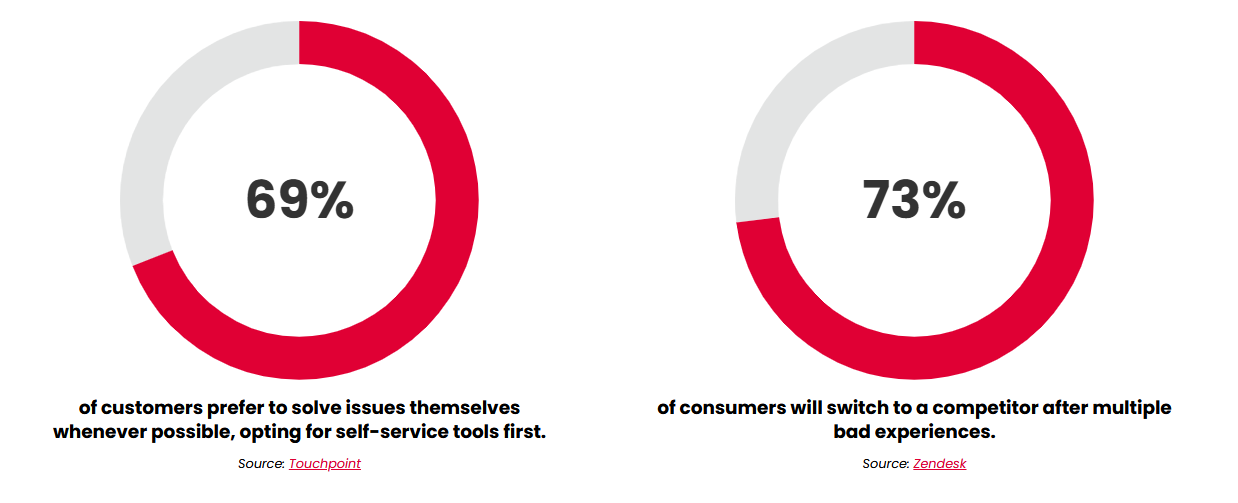
Research consistently demonstrates the commercial impact of customer experience. 69% of customers prefer to solve issues themselves whenever possible, opting for self-service tools first, while 73% of consumers will switch to a competitor after multiple bad experiences.
Satisfied customers spend more, remain more loyal, and are less likely to switch to competitors following a poor experience. During disruption, communication plays a critical role in shaping those outcomes.
The most effective airlines are responding by using automation, personalisation, and omnichannel communication to help passengers understand what has happened, what happens next, and what action they need to take.
Rather than waiting for passengers to seek answers, they are proactively acknowledging disruption, showing empathy, setting clear expectations, and providing guidance before frustration has the opportunity to build. In doing so, they are reducing pressure on operational teams while improving recovery and customer confidence.
The airlines getting recovery right
One example featured in this year’s whitepaper is Ryanair, where communication has become embedded within disruption recovery processes themselves, helping automate customer actions and reduce pressure on operational teams during large-scale disruption.
For me, the key takeaway is simple: airlines cannot control disruption, but they can control how they respond and how much disruption costs.
The airlines that invest in communication today will be better positioned to recover faster, reduce operational pressure, protect customer relationships, and ultimately reduce the cost of disruption when it inevitably occurs.
Read our full whitepaper for more insights, advice and best practice from some of the worlds leading airlines and industry experts.
Explore a better approach to recovery
If you’d like to discuss any of the themes covered in the guide, or explore how other airlines are improving recovery, reducing operational pressure, and strengthening customer relationships through better communication, arrange a conversation with one of our experts.


